Pakistan has real gold, and it occurs in two fundamentally different ways: placer gold carried and concentrated by rivers, and primary gold locked in hard-rock mineralisation. They demand different equipment, different technique and different permissions, and confusing the two is the most common reason people spend a season finding nothing.
What follows is a guide to the ground, not an invitation to dig anywhere you like. Land permission, provincial mineral rules and protected-site law all apply — see our guide to the legal position before you travel.
Gilgit-Baltistan: placer gold country
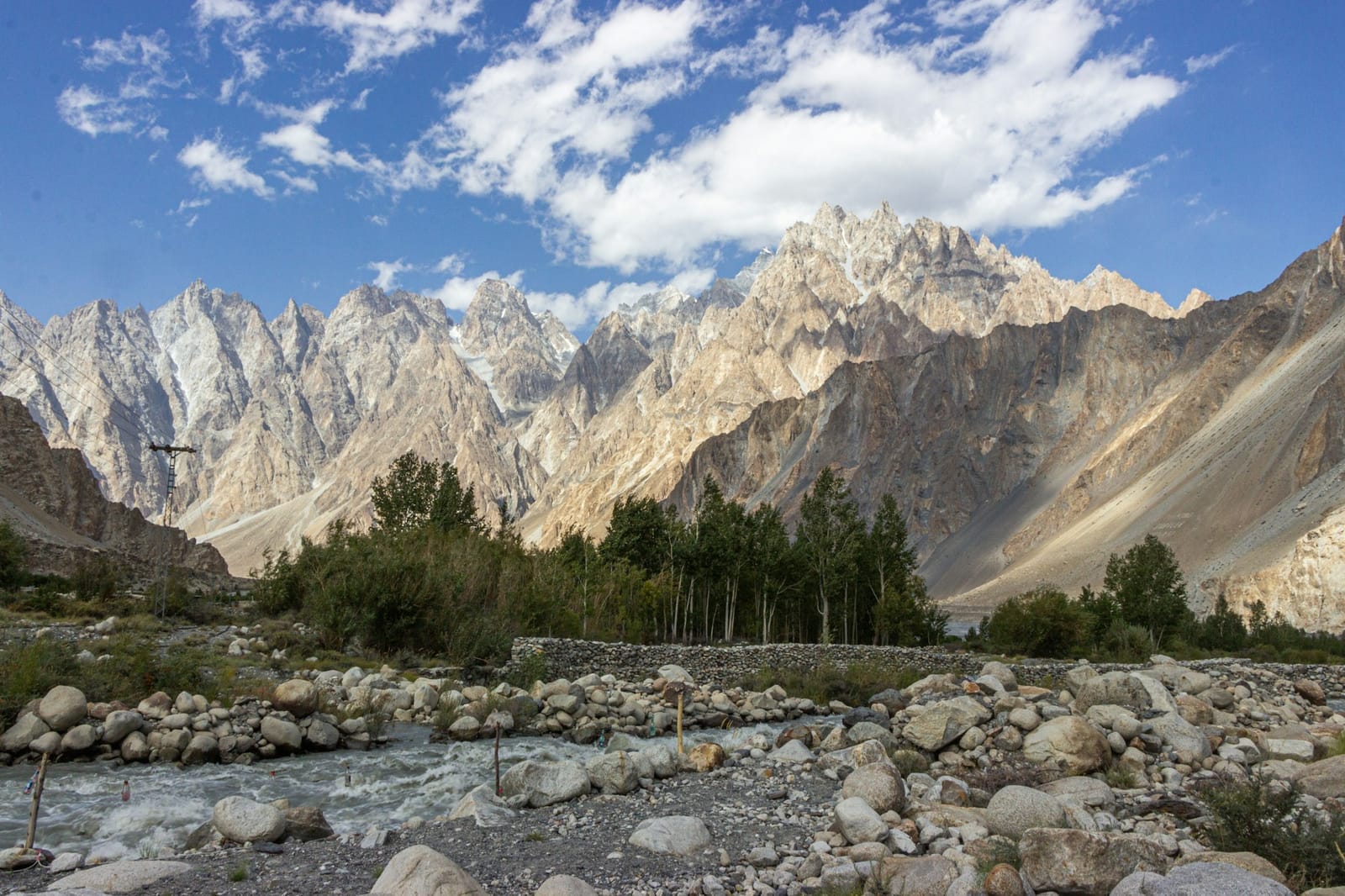
The Indus and its tributaries through Gilgit-Baltistan carry gold eroded from the mountains and deposit it wherever the water slows: inside river bends, behind boulders, in gravel bars and on old terraces above the current channel. This is classic placer ground, and it is the most accessible gold in the country for an individual with a detector.
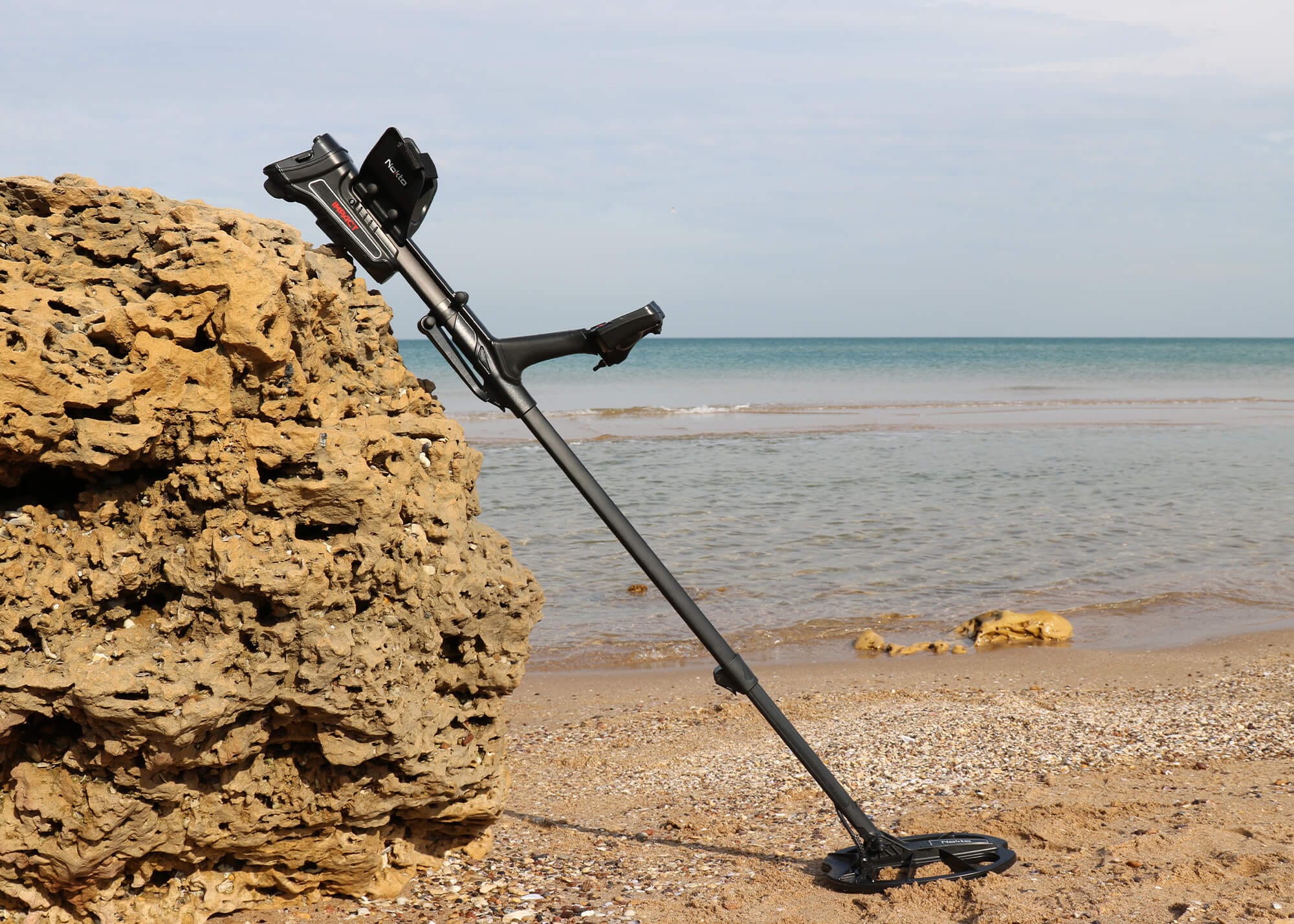
Placer gold tends to be small and flat. That argues for high-frequency VLF sensitivity rather than raw depth — a Nokta Gold Finder 2000 at 61 kHz is genuinely well matched to this ground, and a small coil will out-perform a large one among the boulders. Work the gravel bars methodically and pay attention to bedrock crevices, where gold settles and stays.
Chitral and the KP river valleys
The Chitral river system and neighbouring valleys carry fine gold on the same principle. The distinguishing feature here is how fine it often is, which pushes you further toward high-frequency machines and away from anything optimised for depth. Several of our long-standing customers work this ground with VLF gold machines and small coils, and they recover consistently.
The Chagai arc, Balochistan
Western Balochistan's Chagai belt is a different proposition entirely: a porphyry copper-gold province, host to some of the region's most significant mineralisation. This is hard-rock country, and the ground is heavily mineralised — precisely the conditions that defeat ordinary VLF detectors.
This is where pulse induction earns its price. A Minelab GPX 6000 or GPZ series machine remains stable and sensitive where a mid-tier VLF spends its day reacting to the soil. It is also, realistically, licensed exploration territory rather than casual prospecting ground, and the operators we supply there work under provincial mineral licences.
The Indus terraces and Potohar
Old river terraces above the modern Indus channel preserve gravels laid down when the river ran at a different level. These can hold placer gold well away from present-day water, which is why reading the landscape matters as much as sweeping it. The Potohar plateau's soils are generally milder than Chagai, which widens your equipment options considerably.
| Region | Gold type | Ground | Suits |
|---|---|---|---|
| Gilgit-Baltistan | Placer, fine to small | River gravel, boulders | High-frequency VLF, small coil |
| Chitral / KP valleys | Placer, often very fine | River systems | High-frequency VLF |
| Chagai arc, Balochistan | Primary, hard rock | Heavily mineralised | Pulse induction |
| Indus terraces / Potohar | Placer in old gravels | Milder soil | Multi-frequency or VLF gold |
Reading ground before you switch the machine on
Follow the slow water — Gold drops where current loses energy: inside bends, downstream of obstructions, at the tail of gravel bars.
Find bedrock — Gold works down through gravel until something stops it. Exposed bedrock and its crevices are where it accumulates.
Look above the current channel — Old terraces mark where the river used to run, and they are far less worked than the modern bed.
Watch for black sand — Concentrations of heavy magnetite often travel with gold. Where you see it collecting, the hydraulics are right.
Test your ground first — Ground balance and note how the soil behaves before you commit a day to a site.
Set expectations honestly
Detecting for placer gold is patient work. Most recovered gold in these regions is small, and a good day is measured in grams rather than nuggets. Anyone selling you equipment on the promise of a quick fortune is selling you the wrong thing. What a good machine buys you is the ability to work efficiently and to hear the small signals that others walk over.
If you tell us which of these regions you are heading to, we will configure the machine for that ground before it ships — coil, sensitivity and ground balance set for the soil you named.