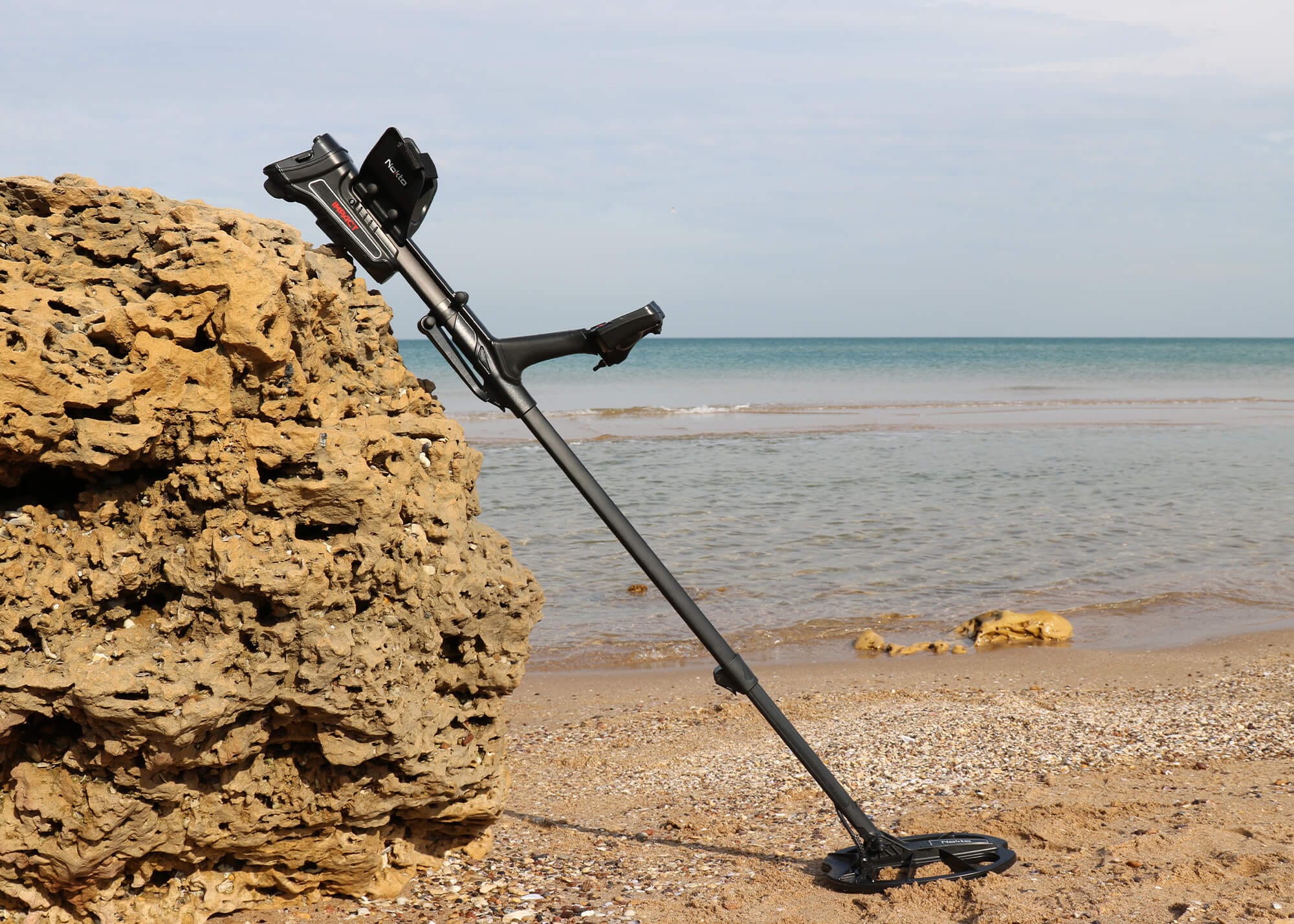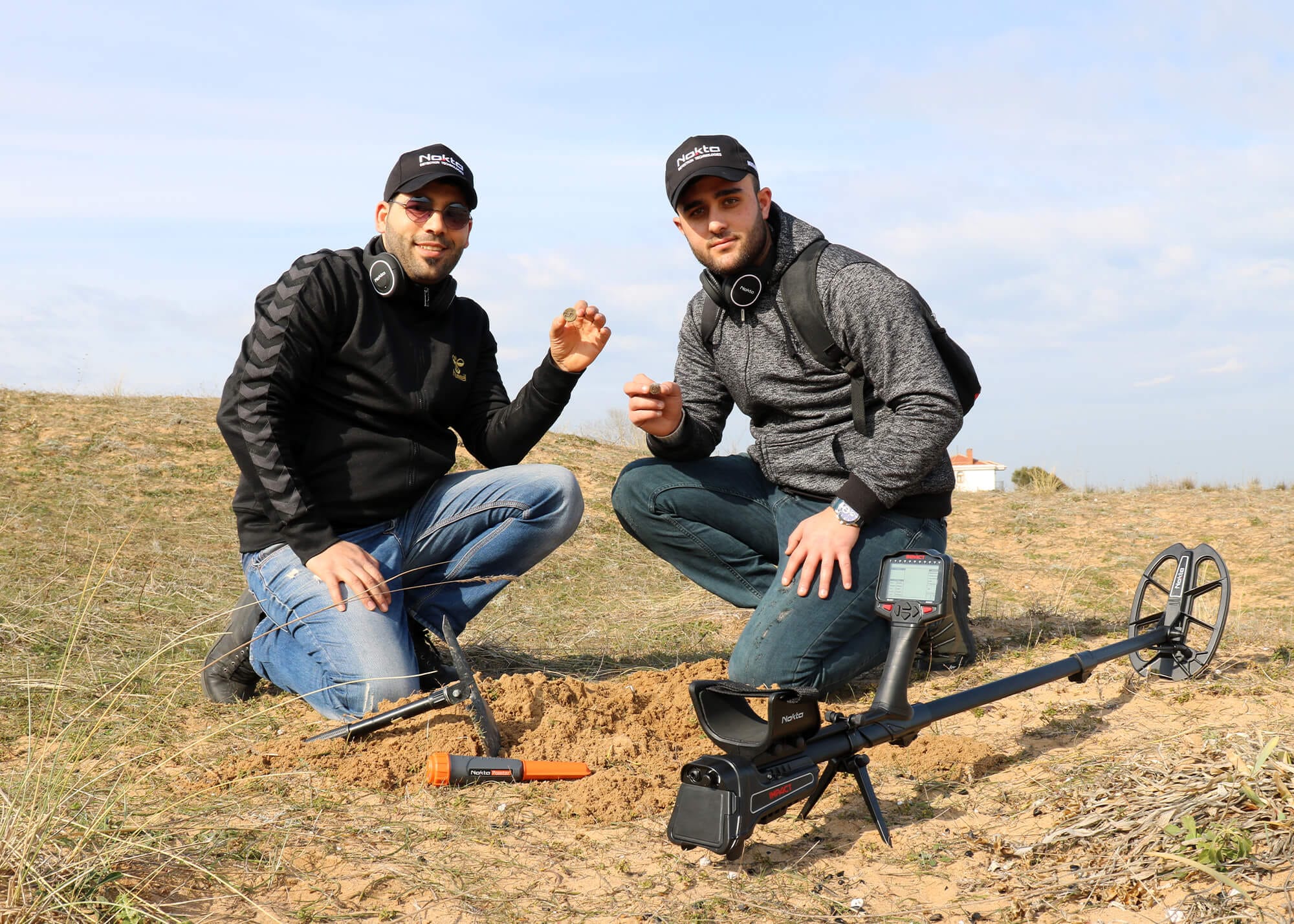
A metal detector is a sensitive instrument that spends its life being dragged through dust, water and thorn scrub. The failures we see in service are overwhelmingly preventable, and they cluster around four things: the coil cable, water ingress, battery treatment and firmware. None of the fixes are difficult.
The coil cable kills more detectors than anything else
The cable running from coil to control box flexes every time you swing, and it is the single most common point of failure across every brand. A cable wound too tightly around the shaft, or left loose enough to snag, will eventually fail internally — and the symptom is maddening: intermittent falsing that looks exactly like a ground balance problem.
Wind it in a gentle spiral with a small amount of slack at the coil end so the cable can move as the coil pivots. Never wrap it tight. If your machine starts falsing erratically and re-balancing does not help, flex the cable along its length while listening — if you can provoke the noise, you have found it.
Waterproof does not mean maintenance-free
Many machines in our range are fully waterproof — the Nokta Simplex family, the Equinox series with IP68 to five metres. That rating depends on seals and on connectors being clean and correctly seated. Grit in a connector thread or a seal that has dried out will let water past on a machine that is nominally rated for submersion.
Rinse after salt water, every time — Fresh water, no pressure, then dry before storage. Salt left to dry is corrosive to connectors and seals.
Keep connectors clean and dry — Blow out grit before mating. Never force a connector that resists — check the thread first.
Check seals annually — A perished seal on an otherwise healthy machine is a cheap part and a very expensive flood.
Do not submerge a non-waterproof control box — Rain-resistant and waterproof are different ratings. Check yours rather than assuming.
Batteries
Most current machines use internal lithium-ion packs — the Equinox 900 carries a 5100 mAh internal cell. Lithium chemistry dislikes two things: being stored fully discharged, and being stored in heat. A machine left flat in a hot vehicle for a season will lose capacity permanently.
Store at roughly half charge if the machine is going unused for months, keep it out of direct heat, and top it up every few months. Use the manufacturer's charger — the charging circuit is matched to the cell, and generic chargers are a common cause of packs that stop holding charge.
Firmware is free performance
Nokta in particular has a strong record of shipping firmware updates that measurably improve detection — better target separation, refined ground handling, new features on machines already sold. These are free, and a surprising number of owners never install them. Check your manufacturer's support page a couple of times a year; the update notes for your model will tell you what changed.
How warranty actually works here
Machines in our range typically carry two to three years of manufacturer warranty. The critical detail is that warranty is honoured against a serial number the manufacturer recognises — which means a unit bought through the official distribution channel. A grey-import machine may be identical in the box and still be uncoverable, because the factory has no record of it entering the country legitimately.
When you buy from us the warranty is registered in your name at purchase. If something fails, contact us with your order details and we coordinate the claim with the manufacturer's regional service centre directly — you do not deal with an overseas service department yourself.
What voids a warranty
Opening the control box or coil housing. Almost every seal failure we see followed an attempt to look inside.
Submerging a machine beyond its rating, or a non-waterproof model at all.
Third-party batteries and chargers on machines with internal packs.
Physical damage from impact or transport without a proper case.
Unauthorised repair. Once a non-approved workshop has been inside, the manufacturer's cover generally ends.
If a machine is behaving oddly, talk to us before opening anything. A large share of the faults reported to us turn out to be settings, a cable, or a connector — all of which we can usually diagnose over a call at no cost.